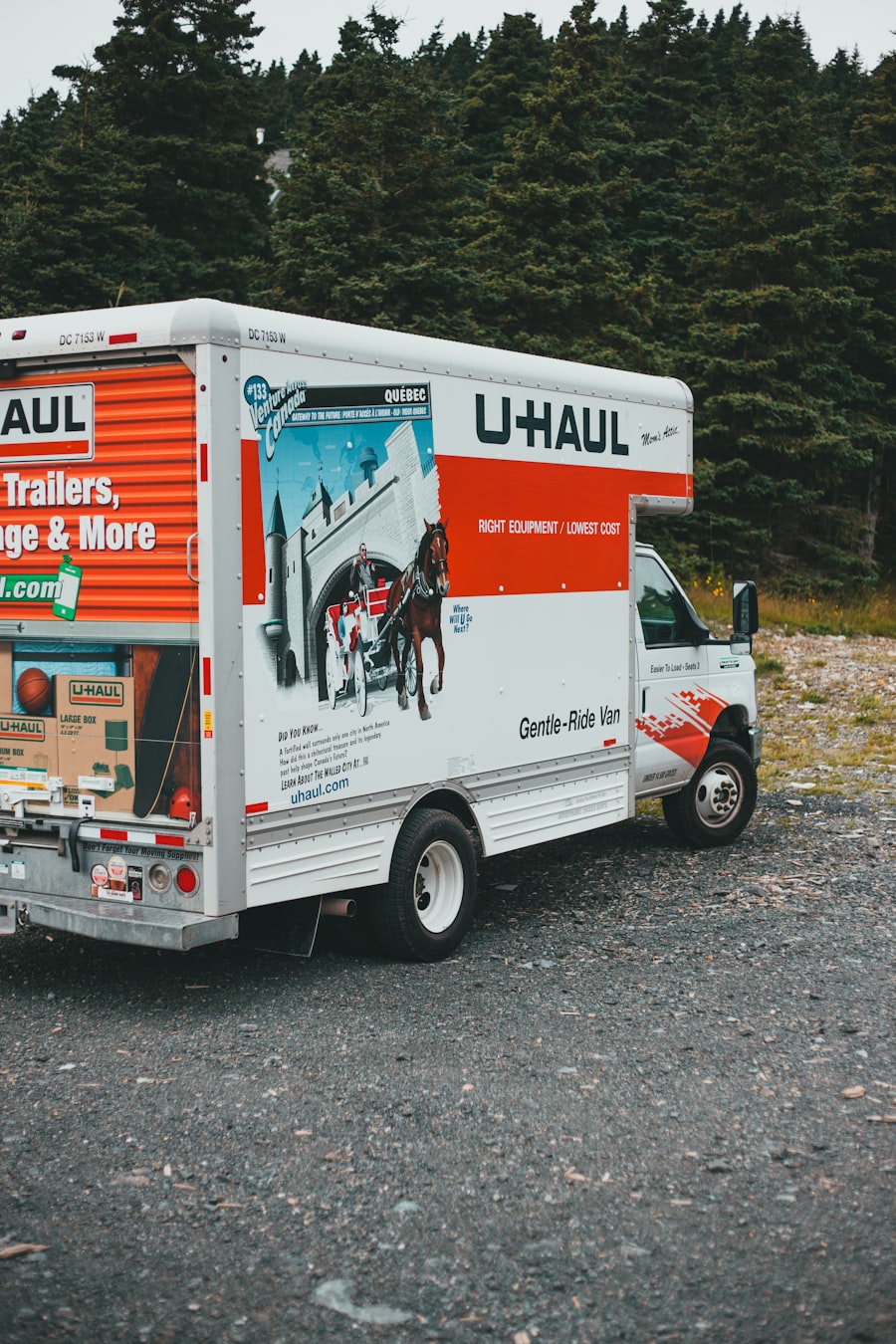
Local Moving: DIY Truck Rental vs Hiring Movers
Renting a truck and moving yourself can save hundreds of dollars. Hiring movers costs more but saves time and physical effort. This guide breaks down DIY truck rental vs hiring movers for local moves so you can choose what fits your budget and situation.
Cost Comparison: DIY vs Movers
A DIY local move with a rented truck typically costs $150–$400. That covers the truck, mileage or fuel, and any equipment like dollies or straps. You supply the labor. A comparable move with professional movers usually runs $400–$1,100 or more, depending on home size and how long it takes. The gap is real, but so are the tradeoffs.
| Home Size | DIY Truck (Est.) | Hiring Movers (Est.) | Savings with DIY |
|---|---|---|---|
| Studio | $150–$250 | $300–$500 | $150–$250 |
| 1 Bedroom | $175–$300 | $400–$700 | $200–$400 |
| 2 Bedrooms | $200–$350 | $500–$1,100 | $300–$750 |
| 3 Bedrooms | $250–$400 | $700–$1,500 | $450–$1,100 |
DIY savings shrink if you add labor help. Renting moving help by the hour (e.g., from a labor-only service) can add $100–$300 or more. Even then, DIY often costs less than full-service movers. Check our local move cost guide for current rate ranges.
What DIY Truck Rental Includes
When you rent a truck from companies like U-Haul, Budget, or Penske, you get the vehicle and basic rental terms. Mileage may be included for local moves or charged per mile. Fuel policies vary: some expect a full tank on return; others charge by the gallon. You typically pay for your own gas either way.
Truck Sizes and Typical Prices
Small trucks (10–12 ft) work for studios and 1-bedrooms. Mid-size (14–16 ft) fit 2-bedrooms. Large trucks (20–26 ft) suit 3-bedrooms and up. Rental rates vary by location and season. A 10-foot truck might run $20–$40 per day; a 26-footer can be $80–$150 or more. Weekend and month-end rates are often higher.
Extra Costs
Dollies, straps, pads, and blankets often cost extra. Damage waivers and additional insurance add to the bill. If you cross state lines, some companies charge more. Add these into your total before you decide.
What Hiring Movers Includes
Full-service movers bring the truck, equipment, and labor. They load, drive, and unload. Some offer packing services for an added fee. You pay by the hour for local moves, usually with a 2–3 hour minimum. The crew handles heavy lifting and knows how to protect furniture and navigate tight spaces.
Labor-Only Options
Labor-only services send movers to help you load or unload a truck you rent. You still drive. This hybrid can cut costs compared to full-service while reducing your physical work. Expect $80–$150 per hour for a 2-person crew, depending on your area.
When DIY Makes Sense
DIY works well if you have a small home, few heavy items, and willing helpers. It also fits tight budgets. You need to be okay with driving a large vehicle and doing the heavy lifting. Stairs, elevators, and long carries make DIY harder; if your move has these, factor in extra time and possibly more helpers. See our guide on stairs and elevators and move cost for how these affect pricing.
If you're moving within the same building, DIY can be very manageable. Check our tips for moving within the same building. For last-minute moves, truck rental may be easier to secure than movers. Read our article on last-minute local moves for options.
When Hiring Movers Makes Sense
Hiring movers is better if you have a lot of heavy furniture, limited time, or physical limitations. It also makes sense when you're moving from or to a walk-up, high-rise, or place with difficult access. Movers have experience with stairs, elevators, and bulky items. They also carry liability; if something breaks, you may have recourse. For more on that, see local moving insurance.
Busy professionals often prefer to pay for movers and use their time elsewhere. The same goes for anyone who has moved multiple times and wants to avoid another DIY grind. Our guide on finding reputable local movers can help you choose a reliable company.
Hybrid Option: Truck + Hourly Labor
You can rent the truck and hire help for loading and unloading only. Services like TaskRabbit, HireAHelper, or local labor companies offer movers by the hour. You pack, they lift. This can cut your cost by 30–50% compared to full-service while reducing strain. Schedule labor for both locations; drive the truck yourself between them.
| Option | Typical 2BR Cost | Effort Level |
|---|---|---|
| Full DIY | $200–$350 | High |
| Truck + labor (load/unload) | $350–$550 | Medium |
| Full-service movers | $500–$1,100 | Low |
Risks of DIY Moving
DIY moves carry physical risk. Back injuries, strains, and dropped items are common. You're also responsible for any damage to the truck, your belongings, or property. Most rental trucks have minimal cargo coverage. Your homeowner or renters insurance may or may not cover items in transit. Check your policy before you go.
Driving a large truck can be stressful, especially in traffic or tight neighborhoods. Parking can be difficult. Plan your route and arrival times to avoid peak traffic. Know where you'll park at both addresses.
Risks of Hiring Movers
Bad movers can damage items, overcharge, or show up late. A few are outright scams. Always get written estimates, check reviews, and verify the company is licensed and insured. Avoid companies that ask for large cash deposits upfront or refuse to put the estimate in writing. Use our moving cost calculator to get a ballpark before you get quotes.
Planning Your DIY Move
Reserve the truck early, especially for weekends or month-end. Pick it up as early in the day as possible so you have enough time. Plan your route to avoid low bridges and tight streets. Get a dolly, straps, and moving blankets. Dress in layers and have water and snacks for your helpers. For a step-by-step view of a typical move day, see our moving day timeline.
When Full-Service Pays Off
Full-service movers are worth the extra cost when you have heavy furniture, multiple flights of stairs, or a tight schedule. They handle the truck, the loading, the drive, and the unloading. You supervise. For high-rise apartments, walk-ups, or moves with pianos and large appliances, the labor savings and reduced stress often justify the price. Our stairs and elevators article explains how access affects both DIY and full-service moves.
Summary
DIY truck rental saves money but requires more work and planning. Hiring movers costs more but offloads the heavy lifting. For studios and small 1-bedrooms with helpers, DIY often wins. For larger homes, difficult access, or when your time matters more, movers are worth the cost. Consider the hybrid option if you want to split the difference. Use our calculator and get multiple quotes before you decide.
Frequently Asked Questions
How much does a DIY truck rental cost for a local move?
Local DIY moves typically cost $150–$400 for the truck, mileage, and basic equipment. Add $50–$150 for dollies, straps, and pads if needed. Labor-only help adds roughly $100–$300.
Is it cheaper to rent a truck or hire movers?
Renting a truck is almost always cheaper if you do the work yourself. Savings range from about $150 for a studio to $750 or more for a 3-bedroom. Movers cost more but handle the heavy lifting.
What size truck do I need for a 2-bedroom move?
A 14–16 foot truck usually works for a 2-bedroom. If you have a lot of furniture or a queen/king bed, a 20-footer may be safer. Rental companies have size guides on their sites.
Can I hire movers just for loading and unloading?
Yes. Labor-only services send movers to help load or unload a truck you rent. You drive. This hybrid typically costs $350–$550 for a 2-bedroom, less than full-service but more than full DIY.