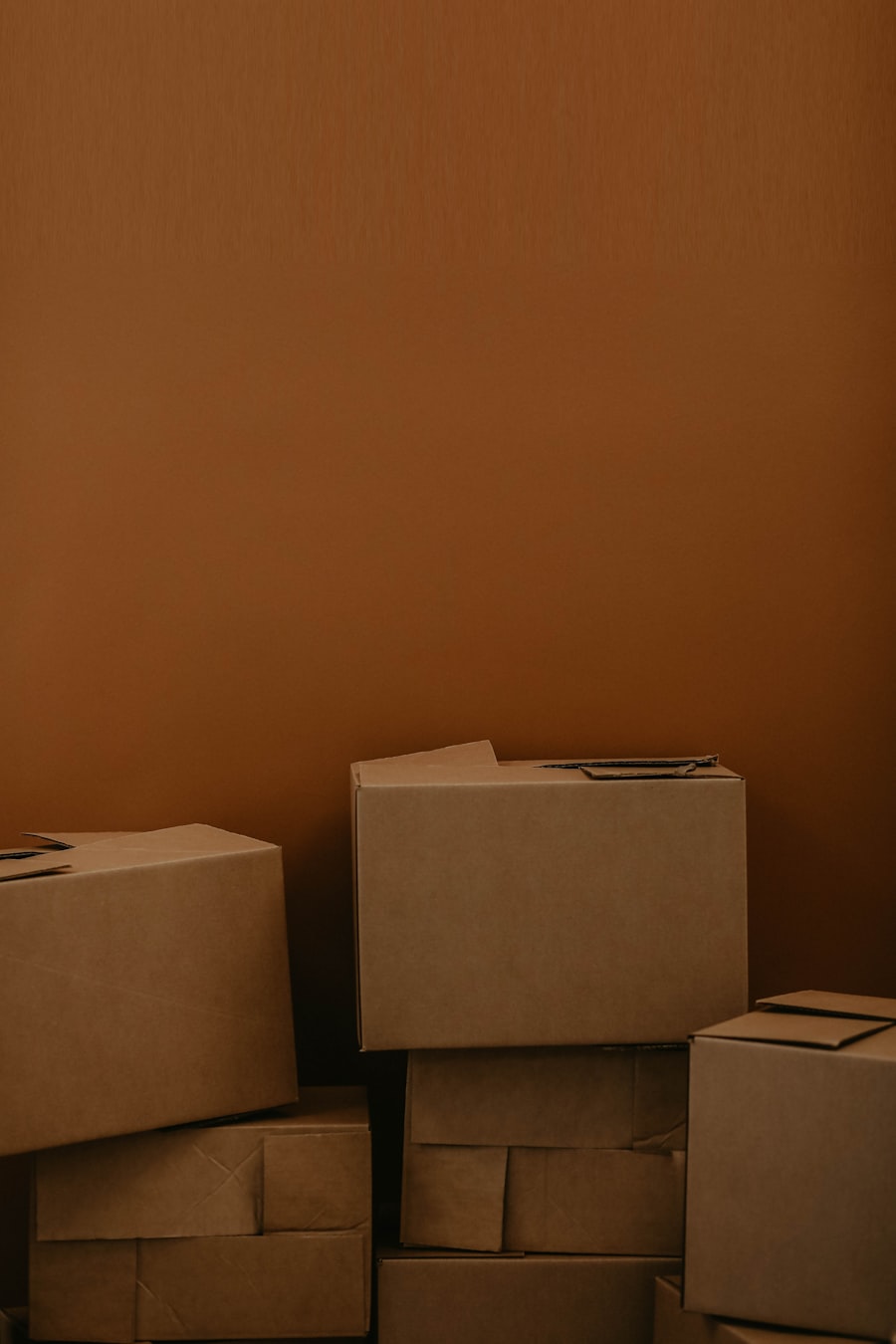
Free Moving Boxes: Where to Find Them
Buying moving boxes can add $50–$200 or more to your move. Free boxes cut that cost to zero. You can find them at stores, online, and from people who just moved. Here’s where to look and how to get the best ones.
Grocery Stores
Grocery stores get daily shipments and have plenty of empty boxes. Produce departments often have sturdy banana boxes and apple boxes with handholds. Ask a manager when they typically break down boxes—usually early morning or late evening. Call ahead or stop by and ask if you can take empties. Most stores are happy to give them away since they recycle them anyway.
Best Boxes at Grocery Stores
Banana boxes are strong and have lids. Apple and orange boxes are good for heavier items. Cereal and cracker boxes are smaller and work for books or kitchen items. Avoid boxes that held raw meat or seafood—they can have odors and residue.
Liquor Stores
Liquor stores have some of the best free boxes. Wine and spirit boxes are designed to hold heavy, breakable bottles. They often have dividers that work great for glassware, jars, or bottles. Liquor stores receive shipments weekly. Call and ask when their delivery day is, then stop by a day or two later. Bring a car—you may leave with a trunk full.
Facebook, Craigslist, and Nextdoor
People who just moved often post free boxes online. Search "free moving boxes" in local Facebook groups, on Craigslist, or on Nextdoor. You can also post an "ISO free moving boxes" message and see who responds. Act fast—free boxes go quickly. Be ready to pick up within a day or two. Some people leave boxes on the curb with a "free" sign—drive through neighborhoods where moves are common.
Retail and Hardware Stores
Stores like Target, Walmart, Home Depot, and Lowe's receive large shipments. Ask the customer service desk or a manager if they have spare boxes. They may direct you to a bin or back area. Pharmacies and office supply stores also have boxes. Best times to ask: early morning before the store gets busy, or late evening when restocking happens.
Bookstores and Libraries
Bookstores and libraries get books in sturdy boxes. These are ideal for packing books, since they're designed for heavy loads. Ask when shipments arrive. Some libraries have a designated area for free boxes. If not, staff can often set some aside for you.
Restaurants and Coffee Shops
Restaurants receive food in large boxes. Coffee shops get syrup, cups, and supplies in mid-size boxes. Call during off-peak hours and ask the manager. Many will save boxes for you if you pick them up the next day. Be aware some boxes may have food stains—inspect before taking.
| Source | Best For | Tips |
|---|---|---|
| Grocery stores | General packing, produce | Ask produce dept, avoid meat boxes |
| Liquor stores | Glassware, bottles, fragile | Go 1–2 days after delivery |
| Facebook / Craigslist | Mixed sizes, full sets | Act fast, pick up same day |
| Bookstores | Books, heavy items | Call ahead, ask for book boxes |
| Retail stores | Mixed sizes | Ask customer service, go early |
What to Avoid
Skip boxes that are torn, have bugs, or smell. Don't use boxes that held chemicals or cleaning products—residue can damage your belongings. Very large boxes get heavy when full; smaller boxes are easier to carry. For fragile items, you may still want to buy specialty boxes like dish packs. See our packing supplies checklist for what you need.
How Many Boxes Do You Need?
A typical 2-bedroom move uses 50–80 boxes. A 3-bedroom can need 80–120. Studio apartments often need 20–40. Use our moving cost calculator to estimate your move size. Start collecting 2–3 weeks before you pack. It's better to have extra than to run out mid-pack.
Storing Boxes Before You Pack
Flatten boxes to save space until you need them. Store them in a dry place—garage, spare room, or closet. Keep them away from moisture to prevent weak spots. If you get boxes with dividers (like liquor boxes), leave those intact for fragile items.
After the Move: Pass Them On
Once you've unpacked, list your boxes for free online. Someone else can use them. Flatten and recycle any that are too worn. Passing boxes along cuts waste and helps the next person moving. Check our moving checklist for unpacking steps.
When Free Boxes Aren't Enough
Free boxes work for most items. For dishes, mirrors, and electronics, specialty boxes give better protection. If you're short on time, full-service packing includes all supplies. Weigh the cost of your time vs. buying a few key boxes.
Summary
Grocery stores, liquor stores, and online classifieds are the best sources for free moving boxes. Call ahead, pick up promptly, and avoid dirty or damaged boxes. Start collecting 2–3 weeks before your move. Pass boxes on when you're done.
Frequently Asked Questions
Are free moving boxes safe to use?
Yes, if they're clean and sturdy. Avoid boxes that held raw meat, chemicals, or have bugs or odors. Inspect each box for tears or weak spots before using.
How many moving boxes do I need?
A 2-bedroom home typically needs 50–80 boxes. Studios need 20–40, and 3-bedroom homes often need 80–120. Start collecting early—it's better to have extra.
When is the best time to get free boxes from stores?
Call and ask when shipments arrive. Grocery and liquor stores usually have the most boxes 1–2 days after delivery. Early morning or late evening is often best to pick up.
Can I use free boxes for fragile items?
Liquor store boxes with dividers work well for glassware. For dishes and mirrors, specialty boxes or extra padding are safer. Free boxes are fine for most non-fragile items.