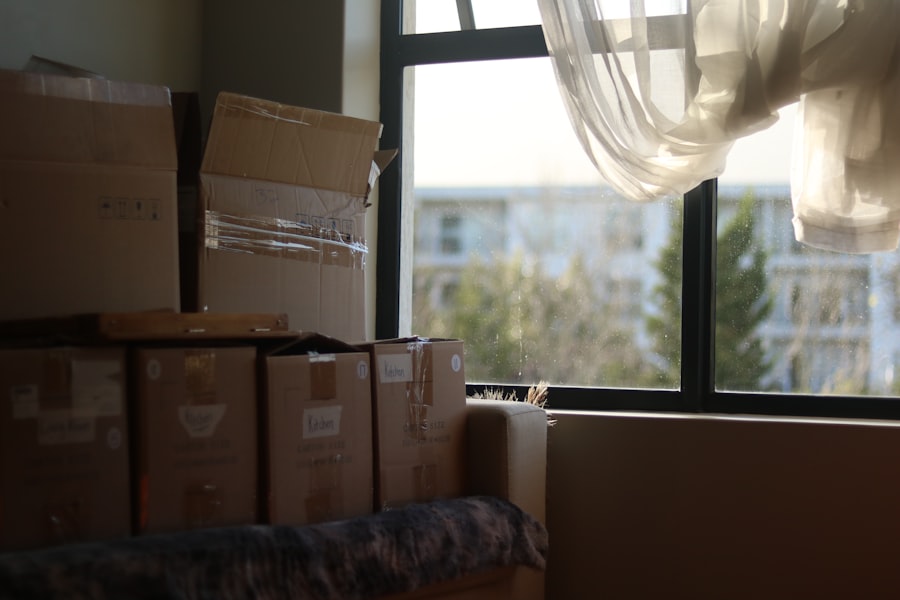
How to Pack Fragile Items Safely
Broken dishes, cracked mirrors, and shattered glassware are common moving nightmares. With the right materials and technique, you can pack fragile items so they arrive intact. This guide covers dishes, glassware, mirrors, art, and other delicate belongings.
Get the Right Supplies
You need more than old newspapers for fragile items. Bubble wrap, packing paper, dish packs or cell kits, and sturdy small boxes are essential. For a full list, see our essential packing supplies checklist. Use small boxes—large boxes filled with dishes get heavy and are easier to drop. Label every box "FRAGILE" on multiple sides.
Packing Plates and Dishes
Wrap each plate individually in packing paper or bubble wrap. Place a sheet of paper or bubble wrap between each plate so they don't touch. Stack plates on edge in the box, not flat. Flat stacking puts pressure on the bottom plates. Stand them vertically like records in a crate. Fill empty space with crumpled paper so nothing shifts. Use a dish pack or cell kit if you have one—the dividers keep each item separated.
Bowl and Cup Packing
Nest small bowls with paper between them. Stuff the inside of each bowl with crumpled paper so it can't collapse. Wrap cups and mugs individually, then pack them in rows. Handles are weak points—pad them extra. Put heavier items on the bottom, lighter on top.
Packing Glassware
Wine glasses, tumblers, and stemware need extra care. Wrap each piece in packing paper, then bubble wrap. Secure with tape so the wrap doesn't slip. Pack glasses upright when possible. Use dividers or cardboard to create slots so glasses don't bang together. If you run out of specialty boxes, wrap each glass well and pack them in a box padded with crumpled paper. Never pack glasses loose—they will break.
Packing Mirrors and Frames
Wrap mirrors in bubble wrap with the bubbles facing the glass. Tape the wrap securely. Use cardboard corner protectors if you have them. Place the mirror in a mirror box or between two pieces of cardboard taped together. Write "FRAGILE – GLASS" on the box. Never lay heavy items on top. Movers should keep mirror boxes vertical. For large mirrors, consider professional packing—they have the right boxes and experience.
Packing Art and Paintings
Wrap canvas art in bubble wrap or moving blankets. Use cardboard corners to protect the frame. Small pieces can go in a picture box. Large paintings may need a custom crate. Paper and photographs should go in flat files or between cardboard, not rolled. Humidity can damage art—keep climate-sensitive pieces with you if the move is long.
Packing Lamps and Light Fixtures
Remove bulbs and pack them separately in a small box. Wrap the harp and finial and put them in a bag. Wrap the lamp base in bubble wrap. Use the original lamp box if you have it. Otherwise, find a box that fits and pad all sides. Shades crush easily—nest them with paper between each one, or pack in a separate box with plenty of padding.
Packing Electronics and Screens
TVs and monitors need special care. Use the original box and foam inserts if possible. Otherwise, wrap the screen in a moving blanket or bubble wrap, then place in a box with ample padding. Never put pressure on the screen. See our guide on how to pack electronics for detailed steps.
The "Fill the Void" Rule
Empty space inside a box is dangerous. Items shift during transport and bump into each other. Crumpled packing paper, bubble wrap, or towels fill gaps and prevent movement. Shake the box gently—if you hear anything move, add more padding. A packed box should feel solid, not loose.
Box Weight and Labeling
Keep fragile boxes under 30–40 pounds. Heavy boxes are hard to carry and more likely to be dropped. Label each box "FRAGILE" and "THIS SIDE UP" if it matters. List the contents (e.g., "Dishes – Kitchen") so movers know what's inside. Mark which room it goes to for easier unloading.
| Item | Key Technique |
|---|---|
| Plates | Wrap each, stack on edge, fill voids |
| Glasses | Wrap each, use dividers, pack upright |
| Mirrors | Bubble wrap, cardboard, keep vertical |
| Art | Bubble wrap, corner protectors, flat storage |
| Lamps | Remove bulbs, wrap base and shade separately |
What to Carry Yourself
Valuables, antiques, and irreplaceable items should travel with you. Don't put family heirlooms or expensive art in the moving truck unless you're comfortable with the risk. Basic moving insurance covers very little per item. High-value items may need separate coverage.
When to Hire Packing Help
If you have a lot of fragile items or limited time, full-service packers handle dishes, art, and glassware every day. They bring supplies and pack efficiently. Use our moving cost calculator to compare DIY vs. professional packing. Check our moving checklist to stay on track.
Summary
Wrap every fragile item individually. Use small boxes and fill all empty space. Stack plates on edge, pack glasses with dividers, and protect mirrors with bubble wrap and cardboard. Label boxes "FRAGILE" and keep them under 40 pounds. Carry irreplaceable items yourself.
Frequently Asked Questions
What is the best way to pack dishes for moving?
Wrap each plate in packing paper or bubble wrap, stack them on edge (not flat), and pack in a small box. Fill empty space with crumpled paper so nothing shifts.
Can I use newspaper to wrap fragile items?
Newspaper works for some items, but ink can transfer to dishes and glass. Packing paper or bubble wrap is safer. Use newspaper for padding inside boxes if needed.
How do I pack a mirror for moving?
Wrap the mirror in bubble wrap with bubbles facing the glass, add cardboard corners, and place in a mirror box or between two pieces of cardboard. Keep it vertical during transport.
Should fragile boxes be marked?
Yes. Write "FRAGILE" on multiple sides of the box so movers handle it with care. Add "THIS SIDE UP" if the contents have a top and bottom.