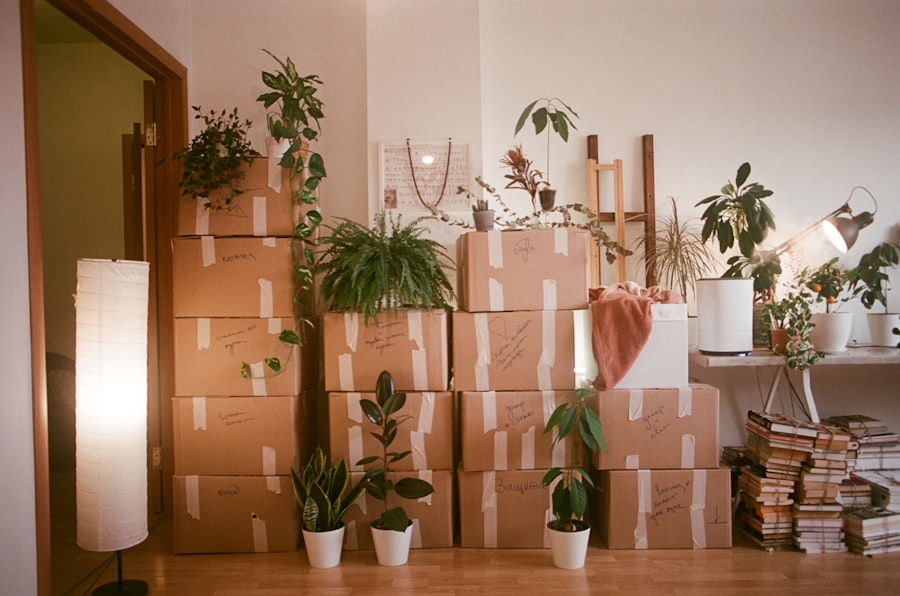
The Ultimate Room-by-Room Packing Order
Packing in the right order can save you hours of hassle. Pack the wrong rooms first and you'll be tripping over boxes, hunting for everyday items, and scrambling at the last minute. Follow this room-by-room packing order and your move will run smoother.
Why Packing Order Matters
Most people grab boxes and start packing whatever catches their eye. That approach leads to chaos. You pack the kitchen too early and eat takeout for two weeks. You pack the living room last and movers have to navigate around half-packed rooms. A clear order keeps you organized and ensures you have what you need until the last day.
The Basic Rule
Pack rooms you use least first. Pack rooms you use every day last. That way you can keep living normally while you pack. Use our moving checklist to track progress and stay on schedule.
| Order | Room | When to Pack |
|---|---|---|
| 1 | Storage / Attic / Garage | 4–6 weeks before |
| 2 | Guest Room / Spare Bedroom | 3–4 weeks before |
| 3 | Decor / Art / Bookshelves | 3–4 weeks before |
| 4 | Office / Den | 2–3 weeks before |
| 5 | Kids' Rooms | 2–3 weeks before |
| 6 | Master Bedroom | 1–2 weeks before |
| 7 | Living Room | 1 week before |
| 8 | Kitchen | 3–5 days before |
| 9 | Bathroom | 1–2 days before |
Start With Storage and Out-of-the-Way Spaces
Storage areas, attics, garages, and basements are the best places to begin. You rarely use these items day to day. Holiday decorations, seasonal gear, old furniture, and boxes you haven't opened in years are ideal first targets. See our guide on packing out-of-season items first for more detail.
Tips for Storage Areas
Label every box clearly. Many storage items look the same once wrapped. Write the room destination and a short description (e.g., "Guest room – Christmas decor"). Use strong boxes for heavy items. If you haven't used something in over a year, consider donating or tossing it before you pack.
Guest Room and Spare Bedroom
If you have a guest room or spare bedroom, pack it next. These rooms are used infrequently. Strip the bed, pack linens, and wrap any fragile decor. Furniture can often stay until moving day unless you're disassembling it. Keep one set of guest sheets and towels accessible in case someone visits during the packing phase.
Decor, Art, and Bookshelves
Wall art, mirrors, and decorative items can go early. Wrap each piece in bubble wrap or moving blankets. Use specialty boxes for mirrors and large frames. Books are heavy—pack them in small boxes so they don't become too heavy to lift. Mix books with lighter items if needed. For fragile decor, follow our guide on how to pack fragile items safely.
Office and Den
Pack the office when you can shift work to a laptop or temporary setup. Empty filing cabinets and pack files in banker's boxes. Wrap electronics carefully—see how to pack electronics for step-by-step instructions. Keep essential work items in one box that travels with you. Cords, chargers, and small devices go in labeled bags so you can find them fast at the new place.
Kids' Rooms
Involve kids in packing their own rooms when possible. Let them choose a few toys and books to keep out until the move. Pack the rest 2–3 weeks before. Use clear bins for toys so kids can see what's inside. Label boxes by child and room. Keep bedtime essentials (favorite stuffed animal, nightlight) accessible for the last few nights.
Master Bedroom
Pack the master bedroom 1–2 weeks out. Keep one week of clothes unpacked. Use a wardrobe box or suitcases for hanging clothes to simplify unpacking. Pack jewelry, watches, and valuables in a small bag you carry yourself. Don't put high-value items in the moving truck.
Living Room
Pack the living room about a week before the move. TVs, speakers, and media equipment need extra care—refer to our electronics packing guide. Pack books, games, and remotes in labeled boxes. Keep one seating area clear so you have somewhere to rest. Cushions and throw pillows can go in garbage bags or last-minute boxes.
Kitchen Last (Almost)
Pack the kitchen 3–5 days before the move. You need dishes, pots, and utensils until the end. Start with items you rarely use: fancy serveware, holiday plates, specialty appliances. Keep everyday dishes, a few pots, and basic utensils out. Use paper plates for the last 1–2 days if that's easier. Our kitchen packing guide walks you through it step by step.
Bathroom Last
Pack the bathroom 1–2 days before. Toiletries, towels, and daily meds stay until the last moment. Pack duplicates, extra shampoo, and cleaning supplies first. Use an essentials box for move-in day so you have toilet paper, soap, and toothbrushes ready when you arrive.
What to Pack in Each Box
Use a consistent labeling system. Write the room name and a brief list of contents on two sides of each box. Heavier items go on the bottom; fragile items on top with padding. Don't overfill boxes—they should be easy to carry. For a full list of supplies, check our essential packing supplies checklist.
Adjust for Your Situation
If you work from home full-time, pack the office later. If you have no guest room, skip that step. The goal is to pack low-use items first and high-use items last. Tailor the order to how you live.
When to Get Help
Packing a whole house takes time. If you're short on it, consider full-service packing. Movers can pack your entire home in a day or two. Use our moving cost calculator to compare DIY packing versus hiring help.
Summary
Pack storage and guest rooms first, then decor, office, and kids' rooms. Pack the master bedroom, living room, kitchen, and bathroom last. This order keeps you organized and lets you live normally until the final days. Label every box and keep essentials accessible for move-in day.
Frequently Asked Questions
Should I pack the kitchen first or last?
Pack the kitchen last, or 3–5 days before the move. You need dishes and cookware until the end. Pack rarely used items first and keep everyday essentials out.
What room should I pack first when moving?
Pack storage areas, the attic, garage, and guest room first. These spaces are used least often. Pack living spaces and the kitchen last.
How long before a move should I start packing?
Start packing 4–6 weeks before for a full house. Storage and out-of-season items can go first. High-use rooms pack in the final 1–2 weeks.
What if I don't have a guest room or storage?
Skip those steps. The rule stays the same: pack what you use least first. Decor, books, and extra linens can still go early.